Showing posts with label veterinarian. Show all posts

Frequently Asked Questions


Related image


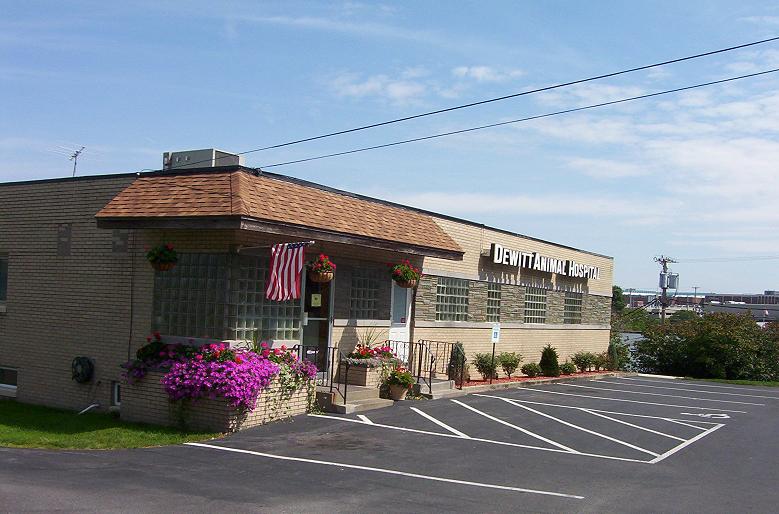
Here are some questions/answers that we are frequently asked. If you have additional questions that aren't covered here, please feel free to give us a call at (315)446-1200.

1. What are the Hospital hours?

Our hospital is open Monday to Friday from 8:00am to 9:00pm. On Saturdays we are open from 8:00am until 4:00pm. On Sundays we are open 8:00am to 12:00pm and 6:00pm to 8:00pm.

2. Do I need to have an appointment?
Yes. Appointments should be made in advance. We have a Doctor available Monday - Saturday.

3. What forms of payment do you accept?
Cash, Check, Mastercard, Visa, Discover and Care Credit

4. Can I make payments?
Payment is required at the time of service.

5. At what age can I have my pet spayed or neutered?
Spaying or neutering can be done at approximately 5 months of age. Your pet is given an exam prior to surgery to help determine whether your pet is healthy enough to undergo the surgical procedure. Current vaccinations are required at the time of surgery. Also a pre-anesthetic blood screen is recommended prior to undergoing anesthesia and surgery.

6. What is the pre-anesthetic blood screening?
This is a blood test that is run here in the clinic prior to surgery. It tests the organ functions, blood counts and clotting function of your pet. The pre-anesthetic blood screening is done to assure safety during surgery and the ability to heal following surgery.

7. How long do the sutures stay in after my pet's surgery?

Procedures involving sutures require them to be removed in 10-14 days following the surgery.

8. Is it a good idea to let my pet have at least one litter?

No, there is no advantage to letting your pet have one litter. However there are plenty of advantages to having you pet spayed or neutered. These advantages include decreasing the chances of breast tumors later in life, decreasing the chance of cystic ovaries and uterine infections later in life, decreasing the desire to roam the neighborhood, decreasing the incidence of prostate cancer later in life, helping prevent spraying and marking, and also decreases the surplus of unwanted puppies and kittens.

9. Do you board pets?

Yes, we do boarding for our clients. We have boarding space for both dogs and cats. We also can board birds and other small animals, but you will be required to bring your own cage and food for your pet.

10. What are your kennels like?

Our dog kennels are indoor/outdoor. The dogs are let outside within their individual kennel 3 times daily while they are boarding. The cat boarders are housed in a separate area away from the dogs. Blankets and food are provided for our boarders, but you are always welcome to bring your own.

Sign up for our online pet portal.

Image result for epethealth 
Did you know you can easily sign up for an online pet portal? This portal gives you access to the pets on your account with our clinic. Here you can find their medical records, Rx refill requests,
information about your pet's breed, and more!  

Did You Know?

Did you know:
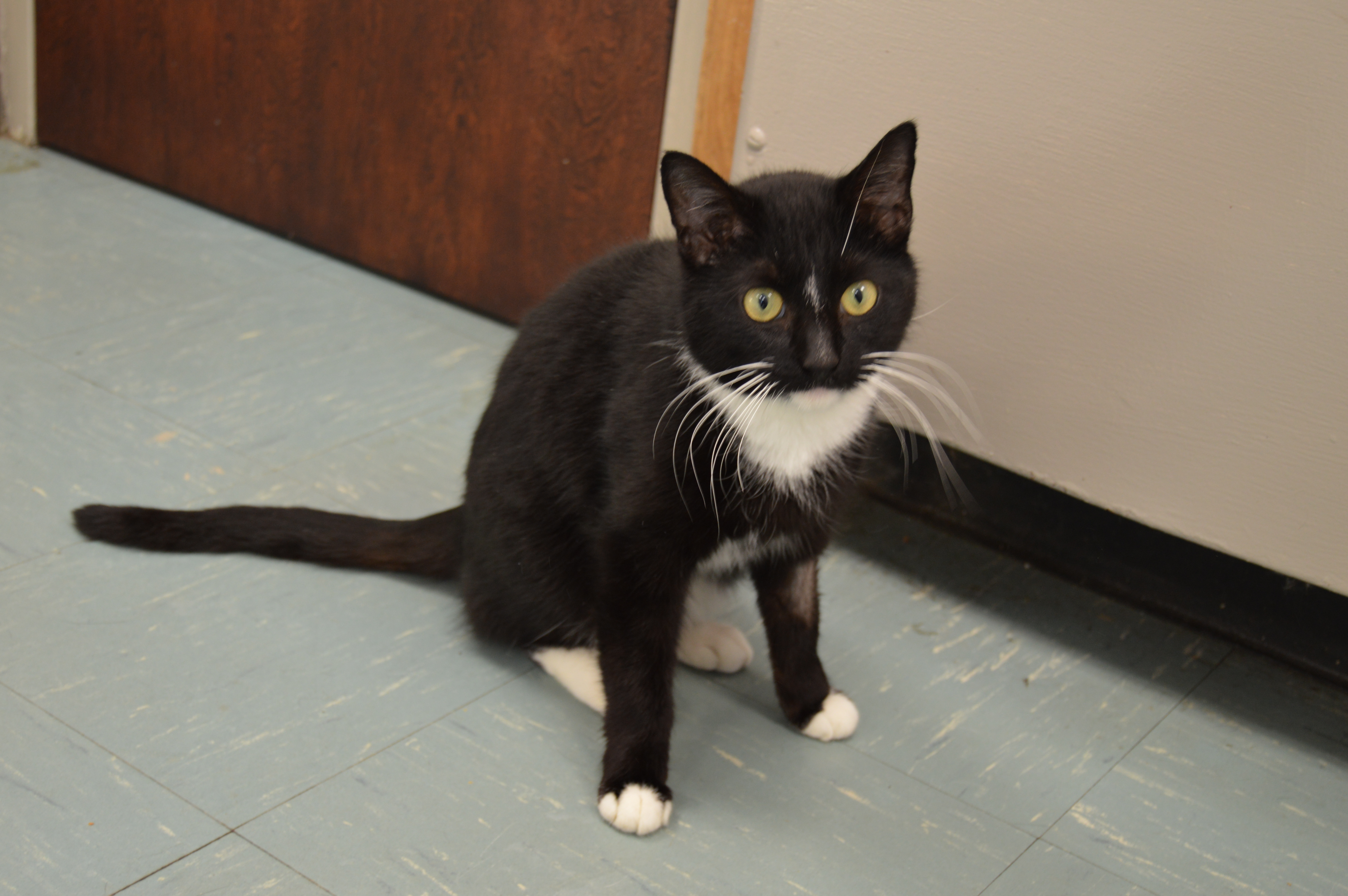
In addition to being a full-service veterinary clinic, we are also the animal shelter for the City of Syracuse! Check our our adoptable dogs and cats on Petfinder!


Java 1 
Adopt Java here!

Friends of Animals Program


At the DeWitt Animal Hospital we are proud to participate in the Friends of Animals Spay/Neuter certificate program. This program helps to make spay/neuter surgeries more affordable so that each pet owner can help in the decline of pet overpopulation.

Employment Opportunities

 Image result for veterinarian


We are always glad to accept resumes from enthusiastic, hard working, dependable, team oriented people who wish to join our team of veterinary health care professionals.

Positions for which we may have openings include:

RECEPTIONISTS
Responsibilities include scheduling appointments, answering the telephone, setting up new clients and patients, preparation and maintenance of medical records, admitting and discharging patients, filling some prescriptions, over the counter sales, mailings, computer operation, financial transactions, filing, and front office and reception area maintenance.  Receptionists will assume the responsibility for acquiring the medical and legal information necessary for the performance of their duties.

VETERINARY TECHNICIANS
Technicians are responsible for hospital maintenance, assisting the doctors, laboratory procedures, radiology, client communication, medical procedures, pharmacy, operation and maintenance of instruments and equipment, inventory, daily treatment of hospitalized patients, rehabilitation, assisting in the operating room and maintenance of the OSHA and Hazardous Materials programs.

VETERINARY ASSISTANT
Ward personnel are responsible for animal handling, bathing and grooming, cleaning, feeding, laundry, waste disposal, and assisting with animal restraint.

Check out website regularly for open positions here.

We Board Pocket Pets


We offer boarding services for small animals such as rabbits, ferrets, guinea pigs, birds, etc. We require you bring everything these pets will need during their stay - cage, bedding, food and any special instructions.

While boarding, your animal will be overseen by all members of our staff during hospital hours. Please call the hospital to discuss specific services you would like provided during your animal's stay. All boarding reservations must be made ahead of time, and all new clients must provide current veterinary records before reservations can be made.

Happy Thanksgiving!

Thanksgiving is more than the festivities, it gives us time to ponder upon what lessons we learnt and how we can spread happiness around, to look back at all the great memories and good people who came into our lives. We appreciate you so much. Happy Thanksgiving Day to you and your loved ones.


Meet Dr. Robert Wilcox

Robert Wilcox: DVM/ Owner

Dr. Wilcox started his career in veterinary medicine as a Veterinary Assistant at the DeWitt Animal Hospital under the supervision of Dr. C. Barry Quinn. After completing his bachelors degree at LeMoyne College he attended vet school at the University of the Philippines. Dr. Wilcox graduated valedictorian of his class and received his Doctorate in Veterinary Medicine. Dr. Wilcox has been the owner and primary veterinarian at DeWitt Animal Hospital for over 16 years. He resides in Lafayette with his two dogs, Trevor and Penny.

Hours of Operation


Hours of Operation
Doctor's Hours (Appointments preferred)Monday - Friday:  10:30 AM - 12:00 PM and 2:30 PM - 5:00 PM 
Saturday: 10:30 AM - 1:00 PM 
Boarding Pick-Up/Drop-Off Hours
Monday - Friday8:00 AM - 9:00 PM 
Saturday: 8:00 AM - 4:00 PM 
Sunday: 8:00 AM - NOON and 6:00 PM - 8:00 PM 
Adoption Viewing Hours 
Monday - Friday: 12:30 PM - 2:00 PM and 5:30 PM - 7:30 PM 
Saturday: 1:30 PM - 3:30 PM

Sunday: 9:30 AM - 11:30 AM

In Case of an Emergency


If you have an emergency outside of our regular business hours, we recommend that you contact one of the following emergency facilities:

Veterinary Medical Center

5841 Bridge Street
Suite 200
East Syracuse, New York 13057 United States
Phone : (315) 446-7933

Veterinary Emergency & Critical Care Center

2115 Downer Street Road
Baldwinsville, New York 13027 United States

Phone : (315) 638-3500

Why You Should Adopt


Because you'll save a life. Each year, 2.7 million adoptable dogs and cats are euthanized in the United States, simply because too many pets come into shelters and too few people consider adoption when looking for a pet.

Because you'll get a great animal.
Animal shelters and rescue groups are brimming with happy, healthy pets just waiting for someone to take them home. Most shelter pets wound up there because of a human problem like a move or a divorce, not because the animals did anything wrong. Many are already house trained and used to living with families.

See more reasons why.


Microchip Identification

Farmers and ranchers have long used RFID ear tags to help identify cattle but today, different types of microchips are used to safeguard an array of domestic animals. The actual microchip is no larger than a grain of rice and injected just beneath the skin. The actual location where the microchip is implanted depends on the animal. For instance, horses are microchipped on the left side of the neck, birds in the breast muscle, and dogs and cats at the nape or back of the neck.


Ever thought of permanent identification for your pet? We offer microchip identification! >>ow.ly/Xe1X30aO8AS

Donate to DeWitt Animal Hospital

Feel free to donate to DeWitt Animal Hospital! All funds go towards giving strays a new home! 
Donate Here >> ow.ly/TbDz30e5J8A

Pet Medical Library

DeWitt Animal Hospital provides you with a full library of pet medical information  from the Veterinary Information Network.  VIN is the world's first and largest online veterinary community, where new articles are added weekly by the experts at VIN to make sure that our readers have the most current veterinary information available.
http://ow.ly/Uxgv30e5JSz

Emergency!

If you have an emergency outside of our regular business hours, we recommend that you contact one of the following emergency facilities:

Veterinary Medical Center

5841 Bridge Street
Suite 200
East Syracuse, New York  13057  United States

Phone : (315) 446-7933


Veterinary Emergency & Critical Care Center

2115 Downer Street Road
Baldwinsville, New York  13027 United States

Phone : (315) 638-3500

Payment Policy

We require full payment at the time that services are rendered. For your convenience, we accept Visa, MasterCard, Discover, Care Credit, cash and personal checks.

Animal Laser Therapy

Laser therapy provides a non-invasive, pain-free, surgery-free, drug-free treatment which is used to treat a variety of conditions and can be performed in conjunction with existing treatment protocols.

Relief and/or improvement is even sometime noticed within hours depending on the condition and your pet's unique health status. Whether your pet is rehabilitating from trauma or injury, healing from wounds, or simply aging, your companion can benefit from this innovative approach to treating pain. Laser Therapy stimulates the body to heal from within.

Non-thermal photons of light are administered to the body for about 3 - 10 minutes and absorbed by the injured cells. The cells are then stimulated and respond with a higher rate of metabolism. This results in relief from pain, increased circulation, reduced inflammation, and an acceleration of the healing process.

Simply put, it provides relief. As the laser is administered, your pet may feel a gentle and soothing warmth. Occasionally, angry cats will start to purr and dogs will actually fall asleep during their therapy session. Treatment protocols are unique to each patient and condition. Therefore, treatments will vary in time, complexity, and cost.

Crazy for Catnip

You come home to find your cat rolling around on the floor, rubbing his face, and drooling everywhere. Right away you know—catnip’s to blame.

Catnip is one of the approximate 250 species in the mint family and has a leafy green appearance. Nepetalactone, the essential oil in catnip, can turn even the laziest couch potato into a crazy furball—if said furball happens to have inherited the sensitivity to its effects. The trait doesn't emerge until a cat is between three and six months old; until then, a kitten will not have a response. Catnip sensitivity is hereditary and it's estimated that only 50% of cats have a reaction to it.

Smelling vs. Eating
The most intense catnip experience starts with the nose—one whiff of the stuff and your cat promptly goes nuts. Researchers suspect that catnip targets feline "happy" receptors in the brain. When eaten, however, catnip tends to have the opposite effect and your cat mellows out.

Most cats react to catnip by rolling, flipping, rubbing, and eventually zoning out. They may meow or growl at the same time. Other cats become hyperactive or downright aggressive, especially if you approach them.

Usually these sessions last about 10 minutes, after which your cat loses interest. It may take as long as two hours for him to "reset" and become susceptible to catnip again. Be mindful of overindulgence though—cats are unlikely to overdose on catnip, but they can get sick if they eat too much. Trust your kitty to know when they've had enough.

A Snack Worth Sharing
Catnip isn't just for cats! It's been grown in medicinal gardens for centuries for its sedative effect on humans. Made into a tea, catnip has calming properties similar to chamomile. Concentrated nepetalactone also makes for a powerful mosquito repellent. The only hitch is that it lasts just a few hours.

Keep it Fresh
Catnip does lose its potency over time, so store it in the freezer in an airtight container for maximum effect.