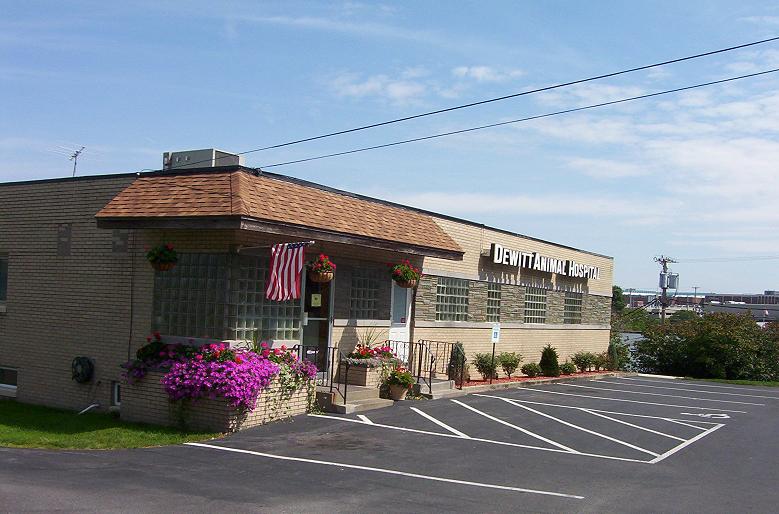
Showing posts with label animal health. Show all posts

Sign up for our online pet portal.

Image result for epethealth 
Did you know you can easily sign up for an online pet portal? This portal gives you access to the pets on your account with our clinic. Here you can find their medical records, Rx refill requests,
information about your pet's breed, and more!  

Employment Opportunities

 Image result for veterinarian


We are always glad to accept resumes from enthusiastic, hard working, dependable, team oriented people who wish to join our team of veterinary health care professionals.

Positions for which we may have openings include:

RECEPTIONISTS
Responsibilities include scheduling appointments, answering the telephone, setting up new clients and patients, preparation and maintenance of medical records, admitting and discharging patients, filling some prescriptions, over the counter sales, mailings, computer operation, financial transactions, filing, and front office and reception area maintenance.  Receptionists will assume the responsibility for acquiring the medical and legal information necessary for the performance of their duties.

VETERINARY TECHNICIANS
Technicians are responsible for hospital maintenance, assisting the doctors, laboratory procedures, radiology, client communication, medical procedures, pharmacy, operation and maintenance of instruments and equipment, inventory, daily treatment of hospitalized patients, rehabilitation, assisting in the operating room and maintenance of the OSHA and Hazardous Materials programs.

VETERINARY ASSISTANT
Ward personnel are responsible for animal handling, bathing and grooming, cleaning, feeding, laundry, waste disposal, and assisting with animal restraint.

Check out website regularly for open positions here.

Hours of Operation


Hours of Operation
Doctor's Hours (Appointments preferred)Monday - Friday:  10:30 AM - 12:00 PM and 2:30 PM - 5:00 PM 
Saturday: 10:30 AM - 1:00 PM 
Boarding Pick-Up/Drop-Off Hours
Monday - Friday8:00 AM - 9:00 PM 
Saturday: 8:00 AM - 4:00 PM 
Sunday: 8:00 AM - NOON and 6:00 PM - 8:00 PM 
Adoption Viewing Hours 
Monday - Friday: 12:30 PM - 2:00 PM and 5:30 PM - 7:30 PM 
Saturday: 1:30 PM - 3:30 PM

Sunday: 9:30 AM - 11:30 AM

In Case of an Emergency


If you have an emergency outside of our regular business hours, we recommend that you contact one of the following emergency facilities:

Veterinary Medical Center

5841 Bridge Street
Suite 200
East Syracuse, New York 13057 United States
Phone : (315) 446-7933

Veterinary Emergency & Critical Care Center

2115 Downer Street Road
Baldwinsville, New York 13027 United States

Phone : (315) 638-3500

What to Do When Your Dog Won’t Eat

Dogs are usually eager eaters. So what's going on when they lose their appetite?
It may be a health problem. But it could just be about the foods you're offering.
Ask yourself these seven questions to help figure it out.

1. Is the Food Fresh?

A healthy dog may walk away from a bowl of food that's gone bad.
A large bag of kibble left open for a month will lose its appeal and could turn rancid. Canned food is only tasty and edible for three to five days after it’s opened, and you must keep it in the fridge.

2. Is He Bored?

Your pet may be getting tired of its food.
Try warming it up. Heat it slightly in the microwave to release more of its aroma and make dinner more attractive to your dog, says Tami Pierce, DVM, assistant clinical professor at University of California, Davis.
You can also liven it up with a little low-sodium broth, low-fat cottage cheese, boneless chicken, or hamburger for a few days. Don’t do this for long, though, or it can be habit forming and your dog will come to expect it, Pierce says. Once he's back to eating normally, start cutting back on the extras.
You could also give them wet canned food or make a mix of canned and dry.
“People avoid canned food because they mistakenly think it’s higher in calories and bad for the teeth, but it’s none of those things,” Pierce says.
If you do make a change, notice how your dog reacts. It could be that they don't like the new food for some reason.

3. Do You Give Too Many Treats?

You could be offering your dog so many treats that at mealtime she’s not hungry.
Pierce says this happens a lot. So cut back on treats. Dogs shouldn't get more than 10% of their calories each day from treats and snacks. If you’re not sure how much that is for your dog, ask your vet.

4. Is He Missing People Food?

Have you been mixing some of your food in with your dog’s food, and now that you’ve decided to stop that, he won’t eat?
That's common, says Evy Alloway, DVM, a veterinarian at Connecticut's Killingworth Animal Hospital.
“If they’ve been getting table food or treats with their dinner and that’s become their habit, they don’t want to go back to regular food,” she says.
Slowly cut the amount of extras in your dog’s food to start weaning them off entirely.

5. Did You Change His Feeding Schedule?

If your dog is used to a strict food schedule, and you change it, they may not be used to the new schedule yet. See if that makes a difference to his appetite.

6. Is He Sick?

If Fido is passing up his regular food, it could be a sign that he's sick.
Take your dog to the vet if he is:
  • Underweight and not interested in eating
  • Usually eats well but has stopped doing that
  • Is a puppy or older dog that isn't eating
Your dog could have swallowed a sock or something else. Or he might have a mouth ulcer that makes eating hurt. Or it could be more serious.
Your vet will likely test your dog's blood, urine, and poop as part of the checkup. They may also recommend X-rays or ultrasound.

7. Has He Barfed Recently?

Your dog may start refusing their regular food if they have been sick lately and threw up their standard kibble. They might have linked the food with being sick and now avoid that food.
If so, mix in a different food to try to get them interested again. If that works, slowly stop mixing the new food in.

Microchip Identification

Farmers and ranchers have long used RFID ear tags to help identify cattle but today, different types of microchips are used to safeguard an array of domestic animals. The actual microchip is no larger than a grain of rice and injected just beneath the skin. The actual location where the microchip is implanted depends on the animal. For instance, horses are microchipped on the left side of the neck, birds in the breast muscle, and dogs and cats at the nape or back of the neck.

Although there are different types of microchips, most are comprised of three components to include the chip or integrated circuit, a capacitor, and a coil inductor. All of the elements are then encased and sealed, thereby preventing risk to the animal. Because the microchip is passive, it requires no internal source of power. Instead, the chip remains inactive until scanned.

Key Benefits

Encoded in a microchip is vital information about the animal and its owner. Before an animal can be microchipped, a qualified veterinarian, breeder, or shelter owner will first determine if one already exists. If there is no microchip, one is injected using a special syringe. As mentioned, there are several benefits to having a pet microchipped with a few examples of those deemed most important listed below.
A microchip contains the following:
    • Owner contact information
    • Name of the animal
    • Description of the animal
    • Veterinarian and/or shelter contact information responsible for implanting the chip
    • Veterinarian and/or shelter contact information responsible for implanting the chip

Beware! Predators are Out There

As caring pet owners, we do everything possible to keep our pets out of harm’s way. However, with more wooded and natural areas being developed into neighborhoods and businesses, wild animals have fewer places to reside. Birds of prey, such as hawks and eagles, can pose a serious threat to cats and other small animals, and depending on where you live, coyotes and mountain lions may also be a danger. Since we share our habitat with wild animals, learning how to prevent an attack can make all the difference.

Depending on the size of your pet and the area in which you live, keeping your pet in the backyard overnight may not be safe. If your pets are accustomed to being outdoors and are able to defend themselves, such as a larger dog breed, backyard housing can be suitable. However, keeping smaller animals in the backyard unsupervised is not recommended.

A good rule of thumb is to appropriately fence in your backyard or outdoor pet area to keep out unwanted visitors. Depending on the region you live in, this may include fencing with barbed wire or roll-bars on the top to make it harder for coyotes and other large predators to get over.
If you come face-to-face with a predator while on a walk or even in your own backyard, stay calm and never turn your back to run away. If you have a small dog or cat with you, pick them up and slowly back away. Grab the leash or collar of a larger dog. Carrying a walking stick is a good weapon to help fend off an attack, as are sticks or rocks to throw at a predator if they look like they’re going to attack.

The best tip in protecting your pet from a predator is to let them outside only when you are with them, especially at night, and to keep pet food and water either inside or empty. All wildlife should be respected for their role in the environment, and while healthy habitats need predators, you don’t want your beloved pets to be the prey!

Keep your Pets Safe and Warm During Cold Weather

Winters may be getting warmer every year, but that doesn’t mean these frigid temperatures and snow storms are going anywhere. It’s always best to be prepared— you can stock up on rock salt, shovels, a generator and warm clothing — but caring for your pets in the cold is another matter.


The Cold Outdoors

See a dog out in the cold without proper shelter? Contact local law enforcement. Dogs left in extreme temperatures, especially without food and shelter, are at risk of hypothermia, frostbite or death. Note the date, time, exact location, and type of animal involved. Jot as many details as possible before contacting animal control or local law enforcement with your complaint. Follow up in a few days if the situation has not been remedied.

Paw Protection

Daily walks in the cold can harm your dog's paws. Keep them moisturized to protect against salt and chemical agents. Use pet booties to minimize contact with painful salt crystals, poisonous anti-freeze and chemical ice melting agents. Apply a dollop of petroleum jelly to their paw pads before going outside.

Dos and Don'ts

Closely shave your dogs in winter. Longer coats mean more warmth. Consider a coat or sweater for short haired breeds. Coverage from the base of the tail to the belly provides extra warmth.

Ditch the Bath

If your dog must be bathed, ask your vet for a moisturizing shampoo or rinse recommendation. Reduce bathing frequency during cold spells. Drying can take too long, and washing too often can deplete essential oils and increase dry, flaky skin.

Check Before You Rev

Outdoor, stray and feral cats sometimes sleep under car hoods to stay warm. But the fan belt can injure or kill a cat when the motor starts. To avoid catastrophe – bang loudly on your hood before starting the engine to give the cat a chance to escape.

Animal Laser Therapy

Laser therapy provides a non-invasive, pain-free, surgery-free, drug-free treatment which is used to treat a variety of conditions and can be performed in conjunction with existing treatment protocols.

Relief and/or improvement is even sometime noticed within hours depending on the condition and your pet's unique health status. Whether your pet is rehabilitating from trauma or injury, healing from wounds, or simply aging, your companion can benefit from this innovative approach to treating pain. Laser Therapy stimulates the body to heal from within.

Non-thermal photons of light are administered to the body for about 3 - 10 minutes and absorbed by the injured cells. The cells are then stimulated and respond with a higher rate of metabolism. This results in relief from pain, increased circulation, reduced inflammation, and an acceleration of the healing process.

Simply put, it provides relief. As the laser is administered, your pet may feel a gentle and soothing warmth. Occasionally, angry cats will start to purr and dogs will actually fall asleep during their therapy session. Treatment protocols are unique to each patient and condition. Therefore, treatments will vary in time, complexity, and cost.

Thanksgiving - Dos and Don'ts


The holidays are all about family. And that includes your furry family members. To keep your pets safe, be aware of the dangers of Thanksgiving leftovers. If you decide to feed your pet a little nibble of turkey, make sure it’s boneless and well-cooked. Don’t offer raw or undercooked turkey, which may contain salmonella bacteria. Here are their warnings and recommendations:

Fatty Table Scraps
Fatty table scraps like gravy, turkey skin, etc. are potentially dangerous to your dog, as it can result in severe pancreatitis. Certain breeds are especially sensitive, including miniature schnauzers, Shetland sheepdogs, and Yorkshire terriers. Even a piece of bacon can trigger pancreatitis in dogs, so when in doubt, don’t feed it to your dog or cat!


No Bones or Turkey Legs
Feeding your dog bones and turkey legs is risk for a possible foreign body obstruction. The bones can also get stuck in the stomach or intestines, potentially resulting in a perforation (or rupture) of the intestines.


Green Beans are Okay
Plain green beans are a wonderful treat for pets. Fresh vegetables are a great addition to any diet. If the green beans are included in a green bean casserole though, be conscious of the other ingredients in it.


Watch Out for Onions
Nothing with alliums (onions, garlic, leeks, scallions) should be ingested by your pet. While it is true that small, well-cooked portions of these foods can be okay if your pet is used to it, ingesting these foods in large quantities can lead to toxic anemia.


Grapes and Raisins are Toxic
Many people are unaware that grapes, and subsequently raisins, can be toxic to pets. The fruit has been shown to cause kidney failure in dogs.


No Alcohol
Alcohol is definitely a big no for pets. What we people may consider a small amount can be toxic for a smaller animal. Also, keep in mind that alcohol poisoning can occur in pets from atypical items like fruit cake (the recipe may have called for rum or other liquor), as well as unbaked bread.


No Artificial Sweeteners
While you may be making the healthier choice by cooking with artificial sweeteners over the real thing, sweeteners containing Xylitol are poisonous to animals, and potentially deadly to dogs.


Macaroni and Cheese is Okay
If you know your pet’s stomach handles dairy alright, macaroni and cheese is a safe leftover to share. If you are unsure though, it may be best to just give plain macaroni. Cats often develop lactose intolerance when they become adults.


No Chocolate
Chocolate is a well known off limits indulgence for pets. During the holidays however, baking chocolate is used in recipes and sometimes forgotten about by the time the dishes hit the table. Make sure this holiday season that your pet does not ingest any chocolate, especially the baking kind.


A Little Cranberry Sauce is Okay
Cranberry sauce is just fine for pets but watch the amount of sugar in it. It is probably best to only provide a small helping to your pet’s plate.


No Sage
Sage and many other herbs contain essential oils and resins that can cause gastrointestinal upset and central nervous system depression to pets if eaten in large quantities. Cats are especially sensitive to the effects of certain essential oils.


No Bread Dough
Don’t spoil your pet’s holiday by giving him raw bread dough. When raw bread dough is ingested, an animal’s body heat causes the dough to rise in his stomach. As it expands, the pet may experience vomiting, severe abdominal pain and bloating, which could become a life-threatening emergency, requiring surgery.


No Raw Batter
If you’re baking up Thanksgiving cakes, be sure your pets keep their noses out of the batter, especially if it includes raw eggs—they could contain salmonella bacteria that may lead to food poisoning.


Watch Overeating
A few small boneless pieces of cooked turkey, a taste of mashed potato or even a lick of pumpkin pie shouldn’t pose a problem. However, don’t allow your pets to overindulge, as they could wind up with a case of stomach upset, diarrhea or even worse—an inflammatory condition of the pancreas known as pancreatitis. In fact, it’s best keep pets on their regular diets during the holidays.


Wrappings
Dispose of aluminum foil, plastic wrap and wax paper. While licking up food left on these wrappings pets can ingest some of the wrapper, leading to intestinal obstructions. Also, look out for tooth picks, skewers and used silverware.