Showing posts with label cats. Show all posts

Discounted Pricing on Spaying and Neutering!

Image result for friends of animals

We offer discounted pricing on Spaying and Neutering! Check out the Friends of Animals website for more information.

Did You Know?

Did you know:
In addition to being a full-service veterinary clinic, we are also the animal shelter for the City of Syracuse! Check our our adoptable dogs and cats on Petfinder!


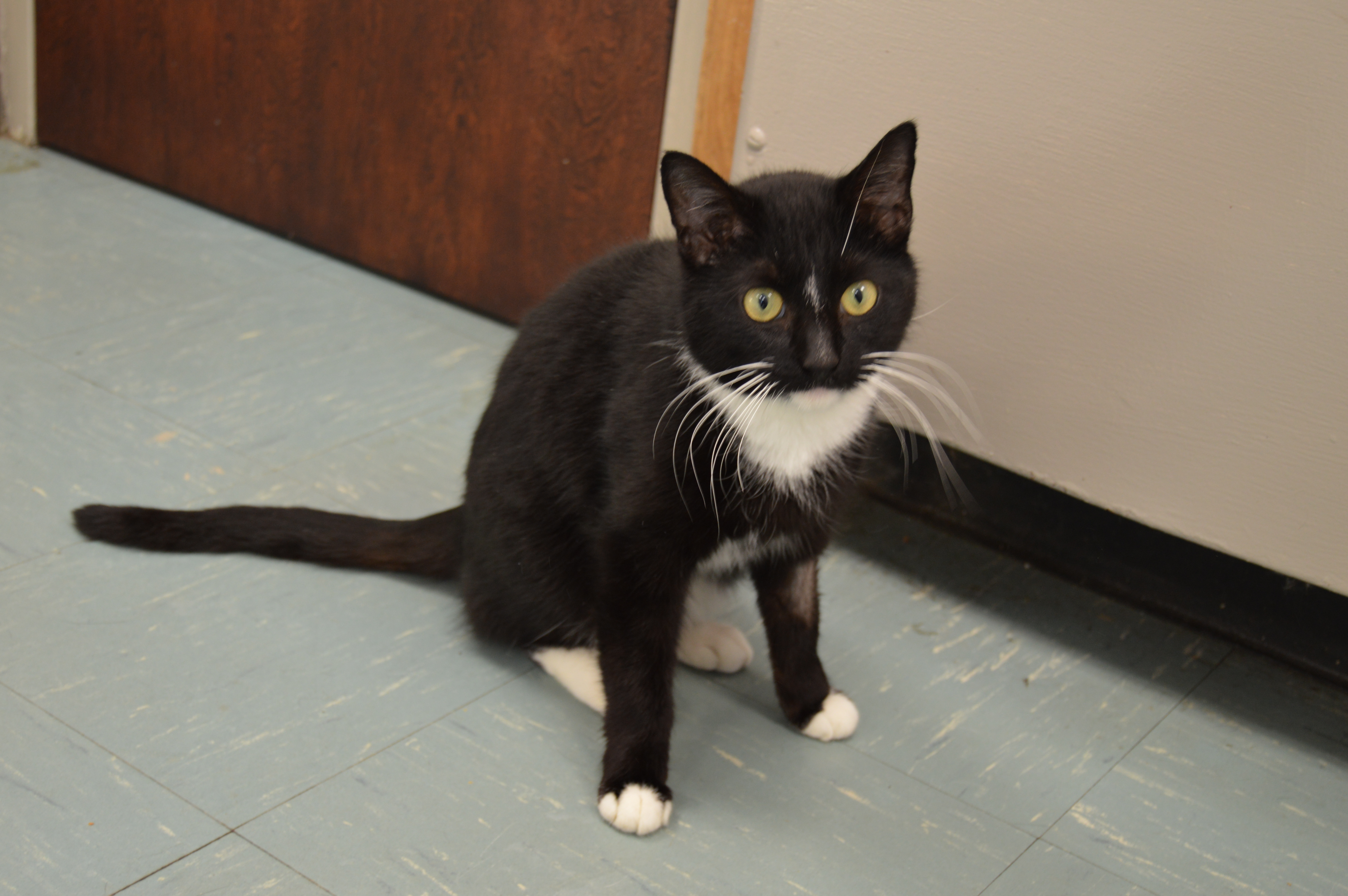
Java 1 
Adopt Java here!

Association of Pet Loss and Bereavement

We have all experienced the pain of losing a pet. The Association of Pet Loss and Bereavement has set up this site for support during this most difficult time. You will find inspirational stories, grief counseling resources, hotline number and many other resources.
www.aplb.org

Employment Opportunities

 Image result for veterinarian


We are always glad to accept resumes from enthusiastic, hard working, dependable, team oriented people who wish to join our team of veterinary health care professionals.

Positions for which we may have openings include:

RECEPTIONISTS
Responsibilities include scheduling appointments, answering the telephone, setting up new clients and patients, preparation and maintenance of medical records, admitting and discharging patients, filling some prescriptions, over the counter sales, mailings, computer operation, financial transactions, filing, and front office and reception area maintenance.  Receptionists will assume the responsibility for acquiring the medical and legal information necessary for the performance of their duties.

VETERINARY TECHNICIANS
Technicians are responsible for hospital maintenance, assisting the doctors, laboratory procedures, radiology, client communication, medical procedures, pharmacy, operation and maintenance of instruments and equipment, inventory, daily treatment of hospitalized patients, rehabilitation, assisting in the operating room and maintenance of the OSHA and Hazardous Materials programs.

VETERINARY ASSISTANT
Ward personnel are responsible for animal handling, bathing and grooming, cleaning, feeding, laundry, waste disposal, and assisting with animal restraint.

Check out website regularly for open positions here.

Happy Thanksgiving!

Thanksgiving is more than the festivities, it gives us time to ponder upon what lessons we learnt and how we can spread happiness around, to look back at all the great memories and good people who came into our lives. We appreciate you so much. Happy Thanksgiving Day to you and your loved ones.


In Case of an Emergency


If you have an emergency outside of our regular business hours, we recommend that you contact one of the following emergency facilities:

Veterinary Medical Center

5841 Bridge Street
Suite 200
East Syracuse, New York 13057 United States
Phone : (315) 446-7933

Veterinary Emergency & Critical Care Center

2115 Downer Street Road
Baldwinsville, New York 13027 United States

Phone : (315) 638-3500

Pet Costume Ideas

 Dog Costume

Cat Costume

Are you dressing up your pets for Halloween, like a shark costume for a dog and a lion costume for a cat?
De Witt Animal Hospital wishes you a fun and safe Halloween weekend with your pets!

Feedback

If you have a minute, please take the time to leave us a review! we love to hear your feedback! >> http://ow.ly/e2LY30eMTNH

Why are cats so curious?

Cats are curious creatures. They love poking their paws in boxes and squeezing into tight places. Judging from all the trouble they get into, it's no wonder curious cats are said to have nine lives! Discover what makes cats curious and how their inquisitive behavior is a natural part of your pet's health.
Natural born instincts
Even though the Egyptians domesticated the cat thousands of years ago, our fuzzy felines share genes with their ancient ancestors. A cat's curiosity is born out of a natural instinct to assess their environment for prey and predators.
Territorial
In the wild, a cat's health depends on how she responds to foreign invaders in her immediate environment. Cats are territorial by nature and their instinct is to protect their home and food supplies. So when you bring home that new shopping bag, your cat's curious nature is simply making sure it doesn't pose a threat.
Mark of intelligence
Every pet parent knows cats are highly intelligent creatures. Your cat's inquisitive mind has a real need to understand the world around them. From the food you are cooking to the pile of papers on the desk, your kitty's curiosity is her way of seeking answers to why these things exist.
Hunting
An outdoor cat will explore a pile of leaves to hide under before the pouncing begins. Indoors, your cat may think a cardboard box is the perfect camouflage for attacking his favorite toy. If your cat is pawing around for a hiding place, just remember this curiosity is simulating his natural hunting behavior.
Cats use their minds to shape the world around them. While a curious cat may look like he's just having fun, he's also displaying intelligence and natural born instincts passed down from his ancient ancestors.

Pet Dental Health Month


February is National Pet Dental Health Month and a great time to start regularly brushing your furry friend's teeth.

Many pet stores and veterinarians' offices sell toothpastes and tooth brushes specifically for dogs and cats. A special tip from some veterinarians is that we should think of our pets' teeth similar to how we think of our own.

Just as we can't expect mouthwashes or healthy, crunchy food to remove all of the plaque from under our own gum lines, similarly there is nothing so successful in removing plaque as consistent brushing and yearly professional cleanings for cats and dogs. Choose a pet-approved toothpaste in a flavor your pet likes. Never use human toothpastes, because pets swallow toothpaste and we don't want them to ingest fluoride on a regular basis. It is in fact the brushing itself that disrupts the plaque biofilm and slows the progression of dental disease.

There are recommended toothbrushes approved by the Veterinary Oral Health Council. It's also safe to use a soft-bristled toothbrush approved by the American Dental Association, such as a toothbrush made for children.

Pet owners should aim to brush their pets' teeth every day. Rawhide chews, dog treats, water additives and other products can complement a home dental care program that centers on tooth brushing. Tooth brushing should be the mainstay of your home dental care plan."

Some pets may not be amiable to having their teeth brushed. If you are considering beginning to brush, but have not had a recent cleaning, it may be safest to start by letting your pet lick toothpaste from the toothbrush. This way, your pet develops a positive association with tooth brushing. Then, begin a regular regimen of brushing following a professional dental cleaning.

In some cases, consistent tooth brushing is not a workable option for certain pets and owners. Yearly professional cleanings are still going to help in these situations. Water additives, gels, and treats may help as well. The products most likely to help slow the progression of gum disease are those with the Veterinary Oral Health Council seal.


Keep your Pets Safe and Warm During Cold Weather

Winters may be getting warmer every year, but that doesn’t mean these frigid temperatures and snow storms are going anywhere. It’s always best to be prepared— you can stock up on rock salt, shovels, a generator and warm clothing — but caring for your pets in the cold is another matter.


The Cold Outdoors

See a dog out in the cold without proper shelter? Contact local law enforcement. Dogs left in extreme temperatures, especially without food and shelter, are at risk of hypothermia, frostbite or death. Note the date, time, exact location, and type of animal involved. Jot as many details as possible before contacting animal control or local law enforcement with your complaint. Follow up in a few days if the situation has not been remedied.

Paw Protection

Daily walks in the cold can harm your dog's paws. Keep them moisturized to protect against salt and chemical agents. Use pet booties to minimize contact with painful salt crystals, poisonous anti-freeze and chemical ice melting agents. Apply a dollop of petroleum jelly to their paw pads before going outside.

Dos and Don'ts

Closely shave your dogs in winter. Longer coats mean more warmth. Consider a coat or sweater for short haired breeds. Coverage from the base of the tail to the belly provides extra warmth.

Ditch the Bath

If your dog must be bathed, ask your vet for a moisturizing shampoo or rinse recommendation. Reduce bathing frequency during cold spells. Drying can take too long, and washing too often can deplete essential oils and increase dry, flaky skin.

Check Before You Rev

Outdoor, stray and feral cats sometimes sleep under car hoods to stay warm. But the fan belt can injure or kill a cat when the motor starts. To avoid catastrophe – bang loudly on your hood before starting the engine to give the cat a chance to escape.

Animal Laser Therapy

Laser therapy provides a non-invasive, pain-free, surgery-free, drug-free treatment which is used to treat a variety of conditions and can be performed in conjunction with existing treatment protocols.

Relief and/or improvement is even sometime noticed within hours depending on the condition and your pet's unique health status. Whether your pet is rehabilitating from trauma or injury, healing from wounds, or simply aging, your companion can benefit from this innovative approach to treating pain. Laser Therapy stimulates the body to heal from within.

Non-thermal photons of light are administered to the body for about 3 - 10 minutes and absorbed by the injured cells. The cells are then stimulated and respond with a higher rate of metabolism. This results in relief from pain, increased circulation, reduced inflammation, and an acceleration of the healing process.

Simply put, it provides relief. As the laser is administered, your pet may feel a gentle and soothing warmth. Occasionally, angry cats will start to purr and dogs will actually fall asleep during their therapy session. Treatment protocols are unique to each patient and condition. Therefore, treatments will vary in time, complexity, and cost.

Crazy for Catnip

You come home to find your cat rolling around on the floor, rubbing his face, and drooling everywhere. Right away you know—catnip’s to blame.

Catnip is one of the approximate 250 species in the mint family and has a leafy green appearance. Nepetalactone, the essential oil in catnip, can turn even the laziest couch potato into a crazy furball—if said furball happens to have inherited the sensitivity to its effects. The trait doesn't emerge until a cat is between three and six months old; until then, a kitten will not have a response. Catnip sensitivity is hereditary and it's estimated that only 50% of cats have a reaction to it.

Smelling vs. Eating
The most intense catnip experience starts with the nose—one whiff of the stuff and your cat promptly goes nuts. Researchers suspect that catnip targets feline "happy" receptors in the brain. When eaten, however, catnip tends to have the opposite effect and your cat mellows out.

Most cats react to catnip by rolling, flipping, rubbing, and eventually zoning out. They may meow or growl at the same time. Other cats become hyperactive or downright aggressive, especially if you approach them.

Usually these sessions last about 10 minutes, after which your cat loses interest. It may take as long as two hours for him to "reset" and become susceptible to catnip again. Be mindful of overindulgence though—cats are unlikely to overdose on catnip, but they can get sick if they eat too much. Trust your kitty to know when they've had enough.

A Snack Worth Sharing
Catnip isn't just for cats! It's been grown in medicinal gardens for centuries for its sedative effect on humans. Made into a tea, catnip has calming properties similar to chamomile. Concentrated nepetalactone also makes for a powerful mosquito repellent. The only hitch is that it lasts just a few hours.

Keep it Fresh
Catnip does lose its potency over time, so store it in the freezer in an airtight container for maximum effect.

Thanksgiving - Dos and Don'ts


The holidays are all about family. And that includes your furry family members. To keep your pets safe, be aware of the dangers of Thanksgiving leftovers. If you decide to feed your pet a little nibble of turkey, make sure it’s boneless and well-cooked. Don’t offer raw or undercooked turkey, which may contain salmonella bacteria. Here are their warnings and recommendations:

Fatty Table Scraps
Fatty table scraps like gravy, turkey skin, etc. are potentially dangerous to your dog, as it can result in severe pancreatitis. Certain breeds are especially sensitive, including miniature schnauzers, Shetland sheepdogs, and Yorkshire terriers. Even a piece of bacon can trigger pancreatitis in dogs, so when in doubt, don’t feed it to your dog or cat!


No Bones or Turkey Legs
Feeding your dog bones and turkey legs is risk for a possible foreign body obstruction. The bones can also get stuck in the stomach or intestines, potentially resulting in a perforation (or rupture) of the intestines.


Green Beans are Okay
Plain green beans are a wonderful treat for pets. Fresh vegetables are a great addition to any diet. If the green beans are included in a green bean casserole though, be conscious of the other ingredients in it.


Watch Out for Onions
Nothing with alliums (onions, garlic, leeks, scallions) should be ingested by your pet. While it is true that small, well-cooked portions of these foods can be okay if your pet is used to it, ingesting these foods in large quantities can lead to toxic anemia.


Grapes and Raisins are Toxic
Many people are unaware that grapes, and subsequently raisins, can be toxic to pets. The fruit has been shown to cause kidney failure in dogs.


No Alcohol
Alcohol is definitely a big no for pets. What we people may consider a small amount can be toxic for a smaller animal. Also, keep in mind that alcohol poisoning can occur in pets from atypical items like fruit cake (the recipe may have called for rum or other liquor), as well as unbaked bread.


No Artificial Sweeteners
While you may be making the healthier choice by cooking with artificial sweeteners over the real thing, sweeteners containing Xylitol are poisonous to animals, and potentially deadly to dogs.


Macaroni and Cheese is Okay
If you know your pet’s stomach handles dairy alright, macaroni and cheese is a safe leftover to share. If you are unsure though, it may be best to just give plain macaroni. Cats often develop lactose intolerance when they become adults.


No Chocolate
Chocolate is a well known off limits indulgence for pets. During the holidays however, baking chocolate is used in recipes and sometimes forgotten about by the time the dishes hit the table. Make sure this holiday season that your pet does not ingest any chocolate, especially the baking kind.


A Little Cranberry Sauce is Okay
Cranberry sauce is just fine for pets but watch the amount of sugar in it. It is probably best to only provide a small helping to your pet’s plate.


No Sage
Sage and many other herbs contain essential oils and resins that can cause gastrointestinal upset and central nervous system depression to pets if eaten in large quantities. Cats are especially sensitive to the effects of certain essential oils.


No Bread Dough
Don’t spoil your pet’s holiday by giving him raw bread dough. When raw bread dough is ingested, an animal’s body heat causes the dough to rise in his stomach. As it expands, the pet may experience vomiting, severe abdominal pain and bloating, which could become a life-threatening emergency, requiring surgery.


No Raw Batter
If you’re baking up Thanksgiving cakes, be sure your pets keep their noses out of the batter, especially if it includes raw eggs—they could contain salmonella bacteria that may lead to food poisoning.


Watch Overeating
A few small boneless pieces of cooked turkey, a taste of mashed potato or even a lick of pumpkin pie shouldn’t pose a problem. However, don’t allow your pets to overindulge, as they could wind up with a case of stomach upset, diarrhea or even worse—an inflammatory condition of the pancreas known as pancreatitis. In fact, it’s best keep pets on their regular diets during the holidays.


Wrappings
Dispose of aluminum foil, plastic wrap and wax paper. While licking up food left on these wrappings pets can ingest some of the wrapper, leading to intestinal obstructions. Also, look out for tooth picks, skewers and used silverware.

Should You Declaw Your Cat?

Not that many years ago, the decision about whether to have the family cat declawed focused more on the couch than the cat. These days, however, more veterinarians encourage cat owners to consider nonsurgical strategies to prevent flayed furniture and flesh.

Declawing a cat has become increasingly controversial, with some animal advocates decrying the practice as the cruel and unnecessary partial amputation of a cat’s toes. Meanwhile, vet organizations say declawing of feline forefeet should occur only after cat owners have tried scratching posts, nail trimming and other ways to manage a cat’s need to scratch.

There are some cat owners who are under the false assumption that declawing is just something you do, like you would get oil changed in your car. That is not the case. It is important to understand that declawing is a painful procedure involving surgical removal of all or part of the last toe bone, to which the claw is attached.

The surgery requires general anesthesia and pain medication during recuperation, which may take about two weeks. Problems, while rare, can include anesthetic complications, hemorrhage, infection, pain and side effects of pain medication. 

Pet owners should know that surgery isn't the only way to prevent scratching problems. They suggest the alternative of training a cat, especially when they are a young kitten, to use designated scratching pads and posts, and to trim claws every week or two. It can help to keep scratching pads and posts throughout the house and near furniture targets. You can bait them with catnip and reward appropriate scratching with treats and praise. There are even feeders that have a scratcher on it - you scratch on this and you get food!

There are three main methods that vets use to remove claws and many horror stories stem from what is considered the outmoded technique of using guillotine-style clippers. Twenty years ago, when vets used those trimmers, there was mutilation and infection, as well as claw regrowth. The blade scalpel and laser scalpel techniques are better methods to dissect out the bone instead of going through it. After the removal of the claw, the wounds are closed with stitches or surgical glue and bandages the cat's feet.

The American Veterinary Medical Association believes education efforts help to reduce the demand for declawing. Many owners and veterinarians have the opinion that declawing is an inhumane mutilation that should be outlawed in most cases, as it already is in some countries. But it ultimately comes down to what the owner would prefer.

How to Move with Pets


Most movers wouldn't dream of leaving their much-loved "furry family members" behind when they move. But pets, like people, are happiest and most content when in familiar surroundings. Many have an instinctive fear of a new environment, even though they may adjust to it quickly.

Careful pre-planning will minimize or avoid relocation problems. Pre-planning for the transfer of your pet, as well as for your household goods, should begin as soon as you know you are going to move.

State Laws and Regulations
Almost every state has laws applicable to the entry of pets. Contact the state veterinarian in the capital of your new home state to learn the laws. You should also contact the city clerk or town hall in your destination city to learn about license fees and regulations for your pet.

Vet Visit
Many states require a health certificate listing of all inoculations to verify your pet is free from infectious disease. Ask your vet for the certificate and keep it handy when traveling. To find a vet in your new state, ask your current vet for a recommendation.

Pet Identification
In addition to permanent identity and rabies tags, make an ID tag with your pet's name, your name, destination address and an emergency name, address and telephone number in case you cannot be reached. A luggage-type tag with writing space on both sides is easy to use.

Familiar Surroundings 
Once moved into your new home, use your pet's familiar food and water dishes, bed, blanket and toys to make him/her feel at home. Try to keep things in the same locations as they were in your previous residence – for example, food and water dish by the back door.

Moving by Airplane
Contact airlines for their rules and regulations, transportation charges and pet insurance.  You will be responsible for a shipping container/carrier to transport your pet. Make your reservations well in advance, because pet approval is granted on a first-come, first-served basis. Feed your pet no less than five or six hours before flight time and give him/her a drink of water about two hours before take-off.

Moving by Vehicle
Plan ahead and purchase carriers, supplies and first-aid kits. Start a list of items you'll need for a pet travel kit including collapsible dishes, favorite toys, your pet's regular food and a few treats. If your pet is not used to car travel, start taking him/her on short trips to get accustomed to car motion. If necessary, ask your veterinarian about tranquilizers to relax your pet.

A few treats during the day will keep him/her satisfied. Plan regular stops to give your pet a drink or a short run. Take a container of fresh water with you, because a sudden change in drinking water may cause a temporary upset stomach.

Moving with a Dog
After moving into a new house, immediately walk your dog around the neighborhood so that he/she becomes familiar with the new area. Maintain the feeding and walking schedule from your original residence. Immediately establish boundaries in your neighborhood or yard for your dog to roam.

Moving with a Cat
Do not let your cat outside until he/she is familiar with the new living environment to reduce the risk of running away. Constantly surround your cat with familiar items during the move to reduce the emotional effects on your cat. Do not expose your cat to your new living arrangements all at once. Limit the number of rooms the cat is allowed in and gradually let your cat explore the rest.