Showing posts with label De Witt. Show all posts

Frequently Asked Questions


Related image


Here are some questions/answers that we are frequently asked. If you have additional questions that aren't covered here, please feel free to give us a call at (315)446-1200.

1. What are the Hospital hours?

Our hospital is open Monday to Friday from 8:00am to 9:00pm. On Saturdays we are open from 8:00am until 4:00pm. On Sundays we are open 8:00am to 12:00pm and 6:00pm to 8:00pm.

2. Do I need to have an appointment?
Yes. Appointments should be made in advance. We have a Doctor available Monday - Saturday.

3. What forms of payment do you accept?
Cash, Check, Mastercard, Visa, Discover and Care Credit

4. Can I make payments?
Payment is required at the time of service.

5. At what age can I have my pet spayed or neutered?
Spaying or neutering can be done at approximately 5 months of age. Your pet is given an exam prior to surgery to help determine whether your pet is healthy enough to undergo the surgical procedure. Current vaccinations are required at the time of surgery. Also a pre-anesthetic blood screen is recommended prior to undergoing anesthesia and surgery.

6. What is the pre-anesthetic blood screening?
This is a blood test that is run here in the clinic prior to surgery. It tests the organ functions, blood counts and clotting function of your pet. The pre-anesthetic blood screening is done to assure safety during surgery and the ability to heal following surgery.

7. How long do the sutures stay in after my pet's surgery?

Procedures involving sutures require them to be removed in 10-14 days following the surgery.

8. Is it a good idea to let my pet have at least one litter?

No, there is no advantage to letting your pet have one litter. However there are plenty of advantages to having you pet spayed or neutered. These advantages include decreasing the chances of breast tumors later in life, decreasing the chance of cystic ovaries and uterine infections later in life, decreasing the desire to roam the neighborhood, decreasing the incidence of prostate cancer later in life, helping prevent spraying and marking, and also decreases the surplus of unwanted puppies and kittens.

9. Do you board pets?

Yes, we do boarding for our clients. We have boarding space for both dogs and cats. We also can board birds and other small animals, but you will be required to bring your own cage and food for your pet.

10. What are your kennels like?

Our dog kennels are indoor/outdoor. The dogs are let outside within their individual kennel 3 times daily while they are boarding. The cat boarders are housed in a separate area away from the dogs. Blankets and food are provided for our boarders, but you are always welcome to bring your own.

Sign up for our online pet portal.

Image result for epethealth 
Did you know you can easily sign up for an online pet portal? This portal gives you access to the pets on your account with our clinic. Here you can find their medical records, Rx refill requests,
information about your pet's breed, and more!  

Order your pets medication and food online!


Would you like to order your pets medication and food without the hassle of coming into the clinic?
Check out our online store!

Happy Valentine’s Day!

 
Get her a puppy for Valentine's Day. Wishes for a special Valentine's Day filled with love and happiness.

Discounted Pricing on Spaying and Neutering!

Image result for friends of animals

We offer discounted pricing on Spaying and Neutering! Check out the Friends of Animals website for more information.

Donate for the care of the shelter animals

Related image

We accept donations through PayPal for the care of the shelter animals.
We are not a 501(c)3 organization therefore these donations are not tax deductible.
No goods or services are exchanged for donations.

Did You Know?

Did you know:
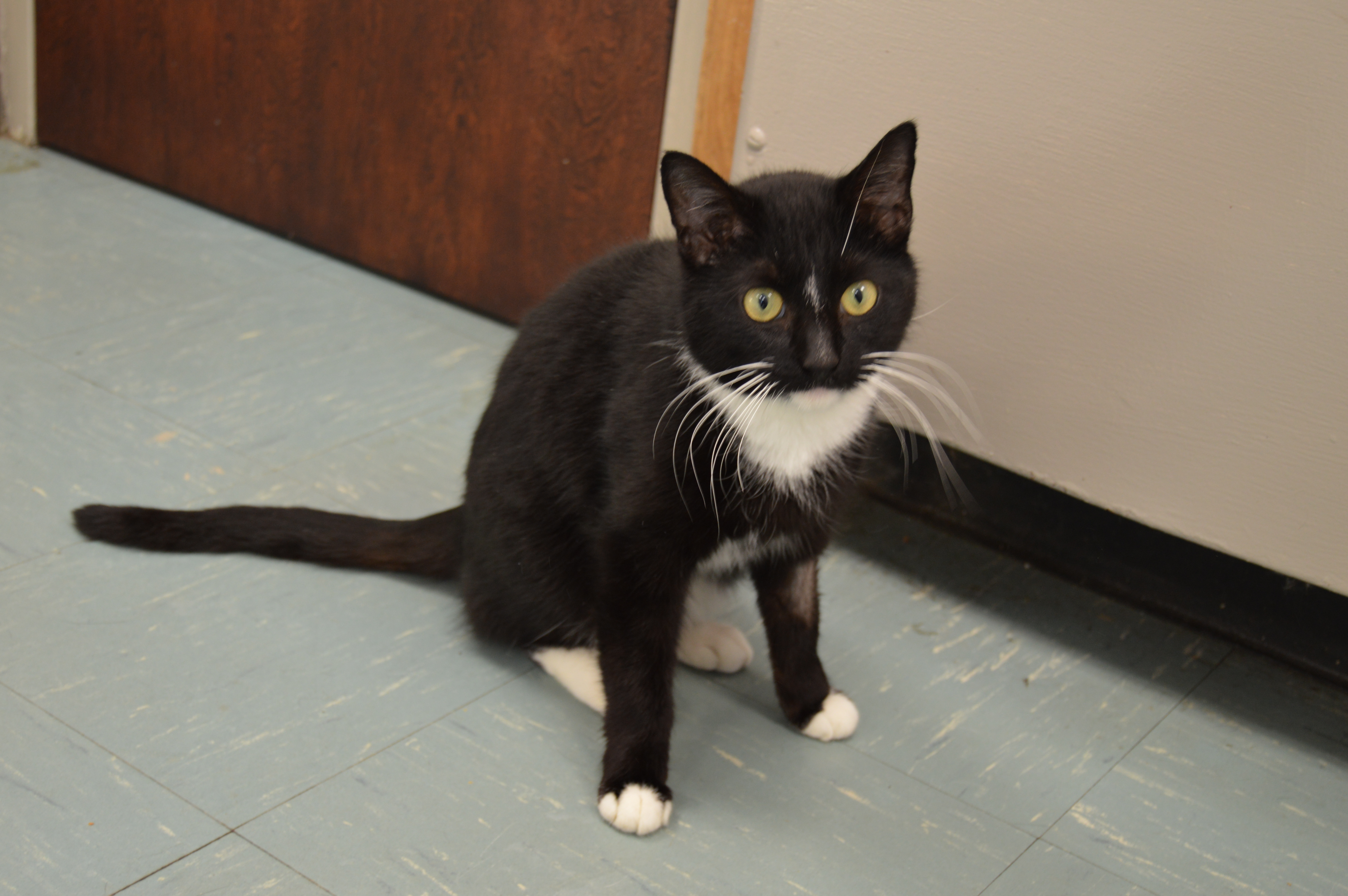
In addition to being a full-service veterinary clinic, we are also the animal shelter for the City of Syracuse! Check our our adoptable dogs and cats on Petfinder!


Java 1 
Adopt Java here!

Why You Should Adopt


Because you'll save a life. Each year, 2.7 million adoptable dogs and cats are euthanized in the United States, simply because too many pets come into shelters and too few people consider adoption when looking for a pet.

Because you'll get a great animal.
Animal shelters and rescue groups are brimming with happy, healthy pets just waiting for someone to take them home. Most shelter pets wound up there because of a human problem like a move or a divorce, not because the animals did anything wrong. Many are already house trained and used to living with families.

See more reasons why.


Our shelter

We are the official shelter for the City of Syracuse. We receive animals through Syracuse Dog Control that may be lost or injured. We accept donations through Paypal to help care for these animals. We are not a 501(c)3 organization therefore donations are not tax deductible. No goods or services are exchanged for donations.

10 tips for shedding

  1. Brush your pet! Regular, even daily, brushing is the best thing you can do to keep your home free of hair. Brushing will also make your pet's coat softer, cleaner, and less likely to shed. 
     
  2. Feed an appropriate pet food. A pet's coat is often a reflection of what she eats. Feed a high quality food with good, digestible protein sources.
     
  3. Feed a fatty acid supplement like Vitacoat® Plus. Giving Vitacoat® Plus to your dog keeps her coat healthy.
     
  4. Cover your furniture and car seats. Upholstery is a magnet for pet hair, and removing pet hair from furniture or car seats can be a tedious task. If you allow pets on your furniture or bed, you would be wise to invest in a few furniture throws. Throws will keep your furniture looking (and smelling) better, and make your home more inviting to guests. Car seat covers are also an excellent investment and are highly recommended.
     
  5. Control allergies and fleas. See your veterinarian to make sure your pet is getting proper allergy relief. To prevent itching and scratching from fleas, use Bio Spot® ACTIVE CARE SPOT ON® for Dogs or Advantage® II to prevent and control infestations.
     
  6. Vacuum often. Be diligent in your vacuuming efforts. Frequent vacuuming is the best way to keep your home hair free.
     
  7. Bathe your dog occasionally during the summer. A clean dog will have a healthier coat. A gentle oatmeal shampoo once a week or so will clean without drying the skin and rejuvenate a lackluster haircoat.
     
  8. Have regular checkups. Many diseases can affect the skin and haircoat. Regular visits to your veterinarian will help identify problems early, and provide more effective treatment.
     
  9. Use the right brush. Slicker Brushes, Shedding Blades, Matbreakers and Love Gloves each have a specific function and work best on the type of coat they are designed for. Most pets need more than one type of brush to remove all of the dead hair. 
     
  10. Remove hair from upholstery and your dog's bed as soon as possible. Hair that is newly shed is easier to remove before it works its way into upholstery fabric. A Pet Hair Pic-Up Roller is one of the best tools for removing hair.

Why do cats claw things?

You probably don't agree with your cat's ideas for remodeling your living room. But your cat doesn't claw the couch or scrape the drapes because they're a bad kitty.
Cats scratch for many reasons: to remove the dead outer layer of their claws, to mark their territory by leaving both a visual mark and a scent (they have scent glands on their paws), and to stretch their bodies and flex their feet and claws.
Scratching is a normal, instinctive behavior and you don't want to discourage it completely. Instead, your goal should be getting your cat to scratch acceptable objects, like a scratching post.

Feedback

If you have a minute, please take the time to leave us a review! we love to hear your feedback! >> http://ow.ly/e2LY30eMTNH

Why are cats so curious?

Cats are curious creatures. They love poking their paws in boxes and squeezing into tight places. Judging from all the trouble they get into, it's no wonder curious cats are said to have nine lives! Discover what makes cats curious and how their inquisitive behavior is a natural part of your pet's health.
Natural born instincts
Even though the Egyptians domesticated the cat thousands of years ago, our fuzzy felines share genes with their ancient ancestors. A cat's curiosity is born out of a natural instinct to assess their environment for prey and predators.
Territorial
In the wild, a cat's health depends on how she responds to foreign invaders in her immediate environment. Cats are territorial by nature and their instinct is to protect their home and food supplies. So when you bring home that new shopping bag, your cat's curious nature is simply making sure it doesn't pose a threat.
Mark of intelligence
Every pet parent knows cats are highly intelligent creatures. Your cat's inquisitive mind has a real need to understand the world around them. From the food you are cooking to the pile of papers on the desk, your kitty's curiosity is her way of seeking answers to why these things exist.
Hunting
An outdoor cat will explore a pile of leaves to hide under before the pouncing begins. Indoors, your cat may think a cardboard box is the perfect camouflage for attacking his favorite toy. If your cat is pawing around for a hiding place, just remember this curiosity is simulating his natural hunting behavior.
Cats use their minds to shape the world around them. While a curious cat may look like he's just having fun, he's also displaying intelligence and natural born instincts passed down from his ancient ancestors.

Microchip Identification

Farmers and ranchers have long used RFID ear tags to help identify cattle but today, different types of microchips are used to safeguard an array of domestic animals. The actual microchip is no larger than a grain of rice and injected just beneath the skin. The actual location where the microchip is implanted depends on the animal. For instance, horses are microchipped on the left side of the neck, birds in the breast muscle, and dogs and cats at the nape or back of the neck.


Ever thought of permanent identification for your pet? We offer microchip identification! >>ow.ly/Xe1X30aO8AS

Donate to DeWitt Animal Hospital

Feel free to donate to DeWitt Animal Hospital! All funds go towards giving strays a new home! 
Donate Here >> ow.ly/TbDz30e5J8A

Pet Medical Library

DeWitt Animal Hospital provides you with a full library of pet medical information  from the Veterinary Information Network.  VIN is the world's first and largest online veterinary community, where new articles are added weekly by the experts at VIN to make sure that our readers have the most current veterinary information available.
http://ow.ly/Uxgv30e5JSz

Emergency!

If you have an emergency outside of our regular business hours, we recommend that you contact one of the following emergency facilities:

Veterinary Medical Center

5841 Bridge Street
Suite 200
East Syracuse, New York  13057  United States

Phone : (315) 446-7933


Veterinary Emergency & Critical Care Center

2115 Downer Street Road
Baldwinsville, New York  13027 United States

Phone : (315) 638-3500

Payment Policy

We require full payment at the time that services are rendered. For your convenience, we accept Visa, MasterCard, Discover, Care Credit, cash and personal checks.

Patient Arrival Policy

For the safety of all animals in our care, we require that all vaccinations be up to date. Even though we make every effort to make our patients feel comfortable during visits, they may be a little uneasy about new people, new surroundings and other pets. This is one of the reasons we ask you to restrain your pet. We recommend that animals be placed on a leash or in pet carriers before entering the waiting room.
For your protection, and that of others, all dogs must be on a leash and properly controlled while in the waiting area or exam rooms.
All cats must be presented in an appropriate cat carrier.